
Do ATS reject two-column resumes? What the parser does
No ATS documents rejecting a resume for its layout. Greenhouse does list columns as a cause of a failed parse. What that costs you, and how to check your file.
What hiring software can and cannot see, and how to write a resume that survives both the parser and the person.
No ATS documents rejecting a resume for its layout. Greenhouse does list columns as a cause of a failed parse. What that costs you, and how to check your file.

Exact keywords on a resume matter for names, not descriptions. The exact-match step is a recruiter typing into a search box, and that tells you what to copy.
What ATS knockout questions ask, which answers can trigger a rule, and the legal lines on sponsorship and salary, from the Greenhouse, Ashby and Indeed docs.

ATS checkers give different scores because the number is not measuring your resume. A 2026 audit held the evidence constant and a third of decisions reversed.

Yes. In Europe the rule you can actually use is GDPR Article 22, not the AI Act, whose recruitment rules were pushed from August 2026 to 2 December 2027.

Two documented mechanisms can reject an application in minutes, and neither reads your formatting. What Greenhouse, Ashby and Harvard's research actually say.

AI detectors do not reliably identify AI-written text. One study found seven of them wrongly flagged 61% of essays by non-native English writers. Here is what recruiters check instead.

Two different things are called an ATS score. The one you can buy is calculated by the company selling it, against its own rubric, and the employer never sees it.
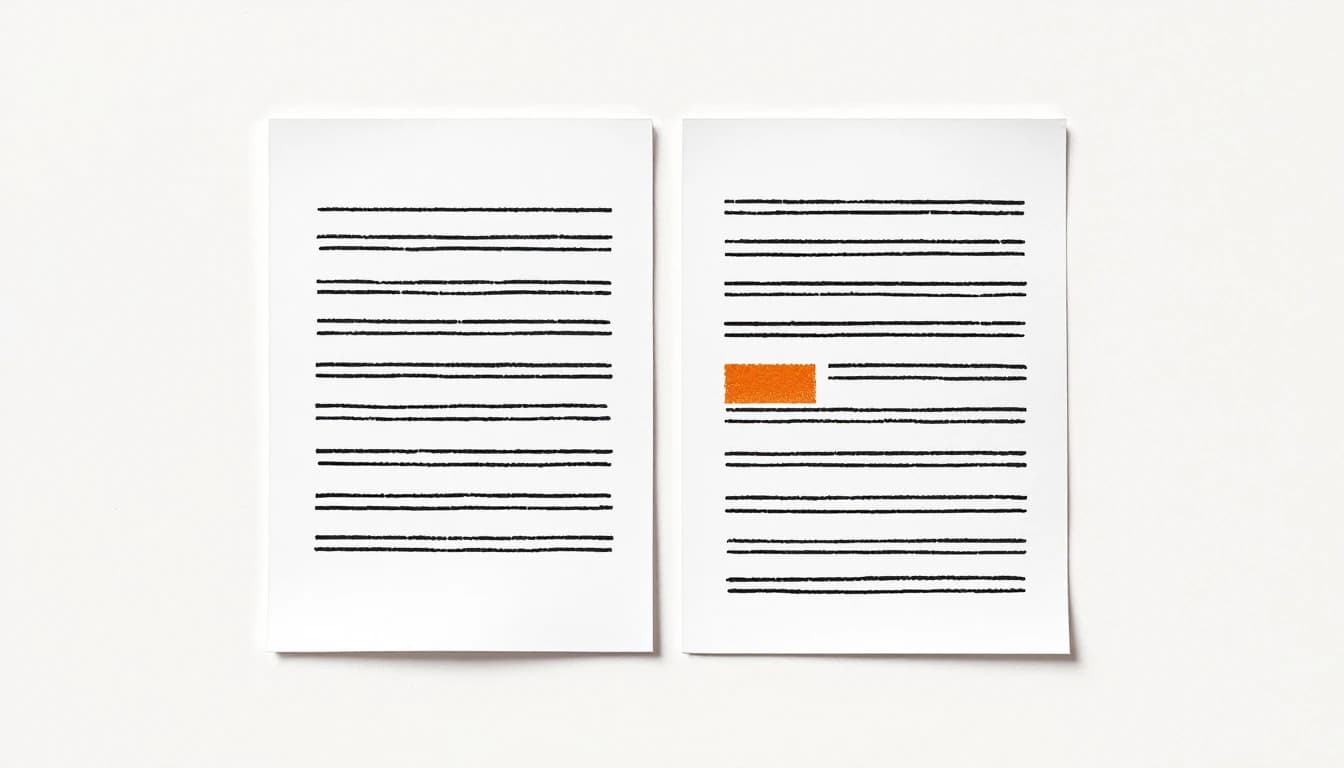
Hidden white keywords and AI prompts in resumes, measured. What researchers found in 200,000 real files, why the tactic collapses as it spreads, and what recruiters do when they see it.

What Dutch employers expect on a CV, what to leave off, and the conventions that differ from a US resume.

A repeatable method for matching one resume to one posting, without rewriting it from scratch or stuffing it with keywords.
The honest answer to the ATS question, with sources. What applicant tracking systems really do, what they do not do, and the three things worth checking.